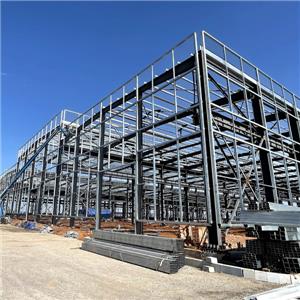
What a Pre Engineered Steel Building Really Is
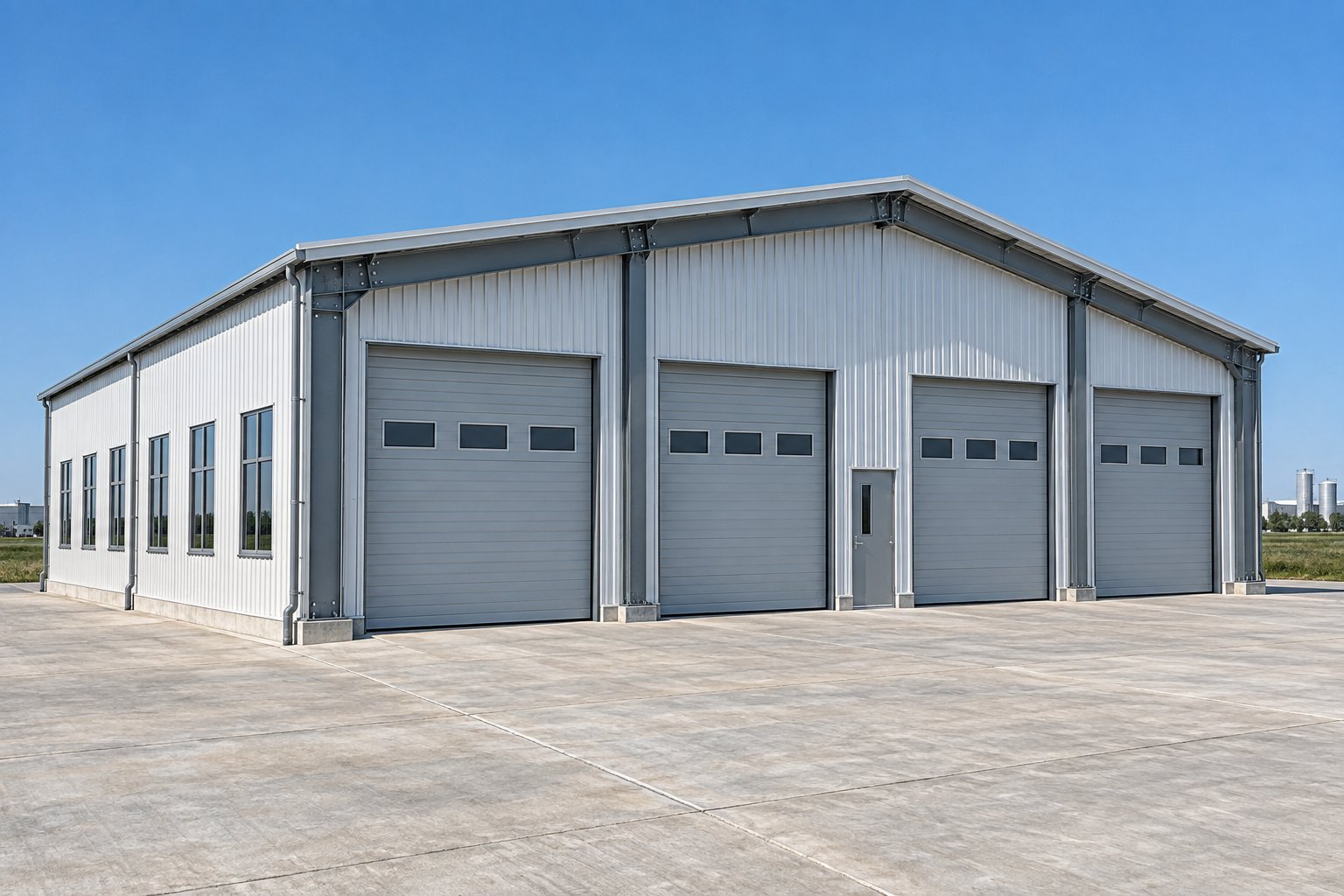
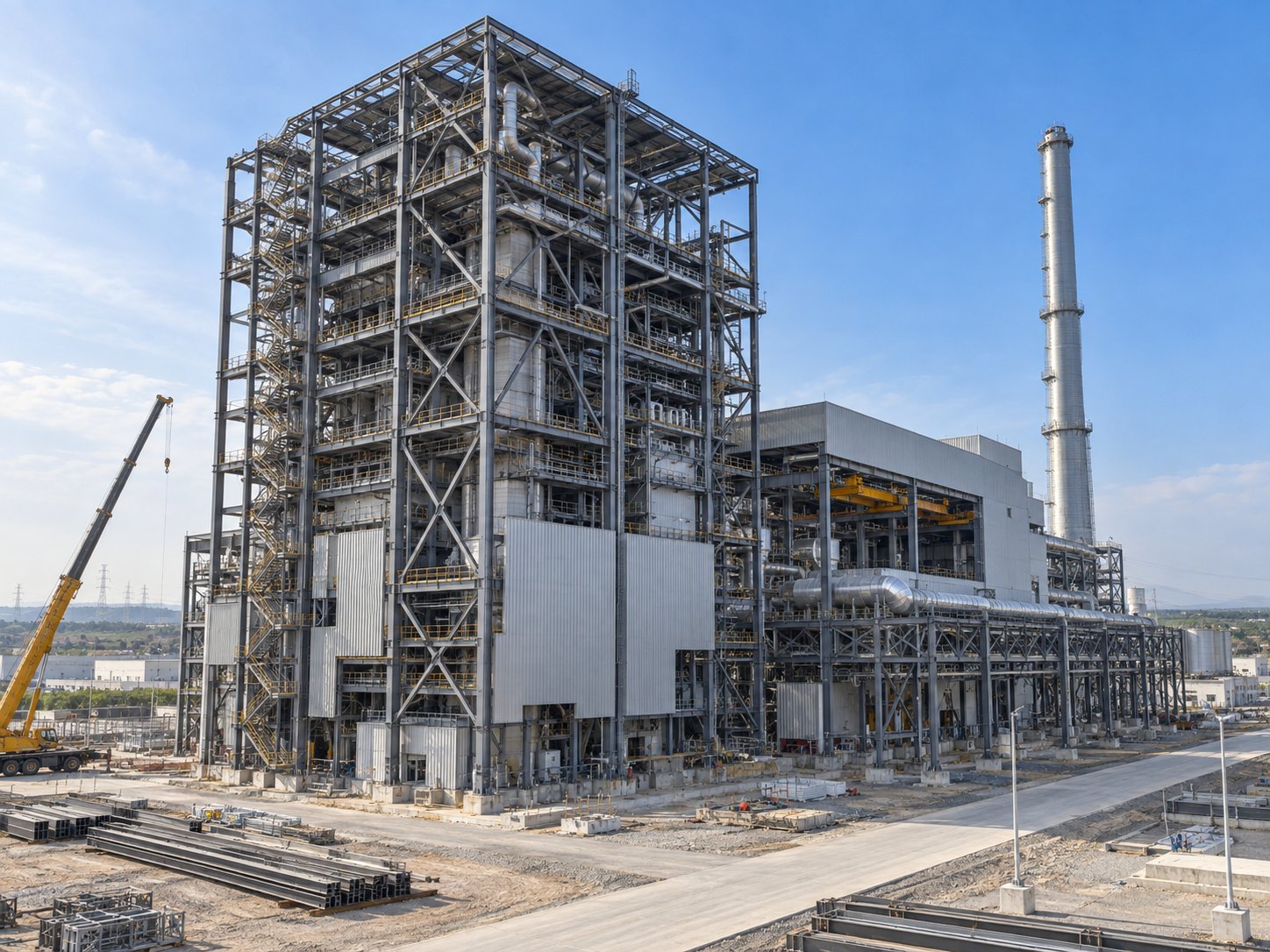
When a developer, EPC contractor, or plant owner searches for structural steel fabricators, they are usually comparing the pre-engineered building (PEB) method against conventional concrete or site-built steel construction. A pre engineered steel building is a complete structural system designed, fabricated, and detailed in a factory, then shipped as pre-cut, pre-drilled components for rapid bolted assembly on site. Jidian Construction Materials Co., Ltd. engineers and fabricates PEB systems from its 360,000-ton-per-year plant in Xiamen, Fujian, China, holding China's highest Steel Structure Manufacturing Special Level Qualification. With 2,000+ projects delivered across 50+ countries, the company turns approved drawings into accurately fabricated frames that support process loads, crane systems, mezzanine floors, and fire-rated separations.
This guide explains how the PEB method works, where it saves money and time, and how to specify a system that actually meets your project's structural, code, and procurement requirements. Every dimension and specification here comes from Jidian's real production capabilities and delivered projects, not from generic marketing material. The goal is to give you a concrete evaluation framework so you can compare PEB suppliers on engineering depth, fabrication tolerance, documentation, and logistics rather than on brochure adjectives.
How Pre-Engineered Buildings Differ from Conventional Construction
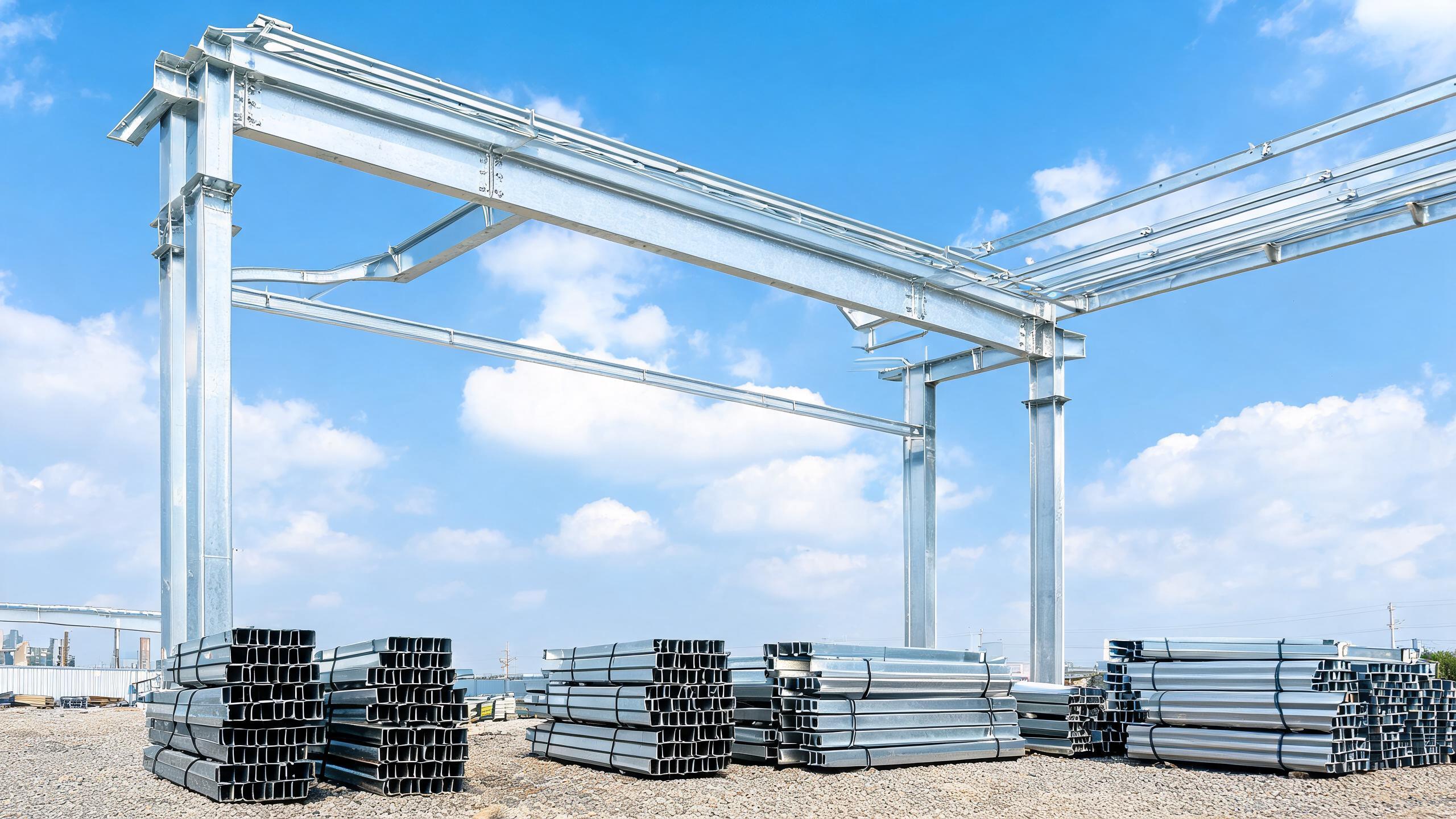
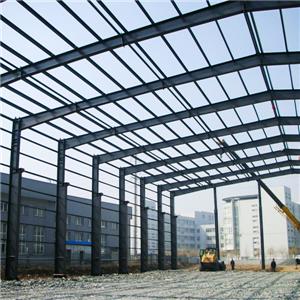
The defining feature of a pre engineered steel building is that the structure is fully engineered before any site work begins. The frame geometry, member sizes, connections, and foundation reactions are all calculated and detailed in the factory, so the components arrive ready to bolt together. This is fundamentally different from conventional construction, where the structure is designed, then materials are delivered raw, and the frame is cut, welded, and erected on site by specialized crews.
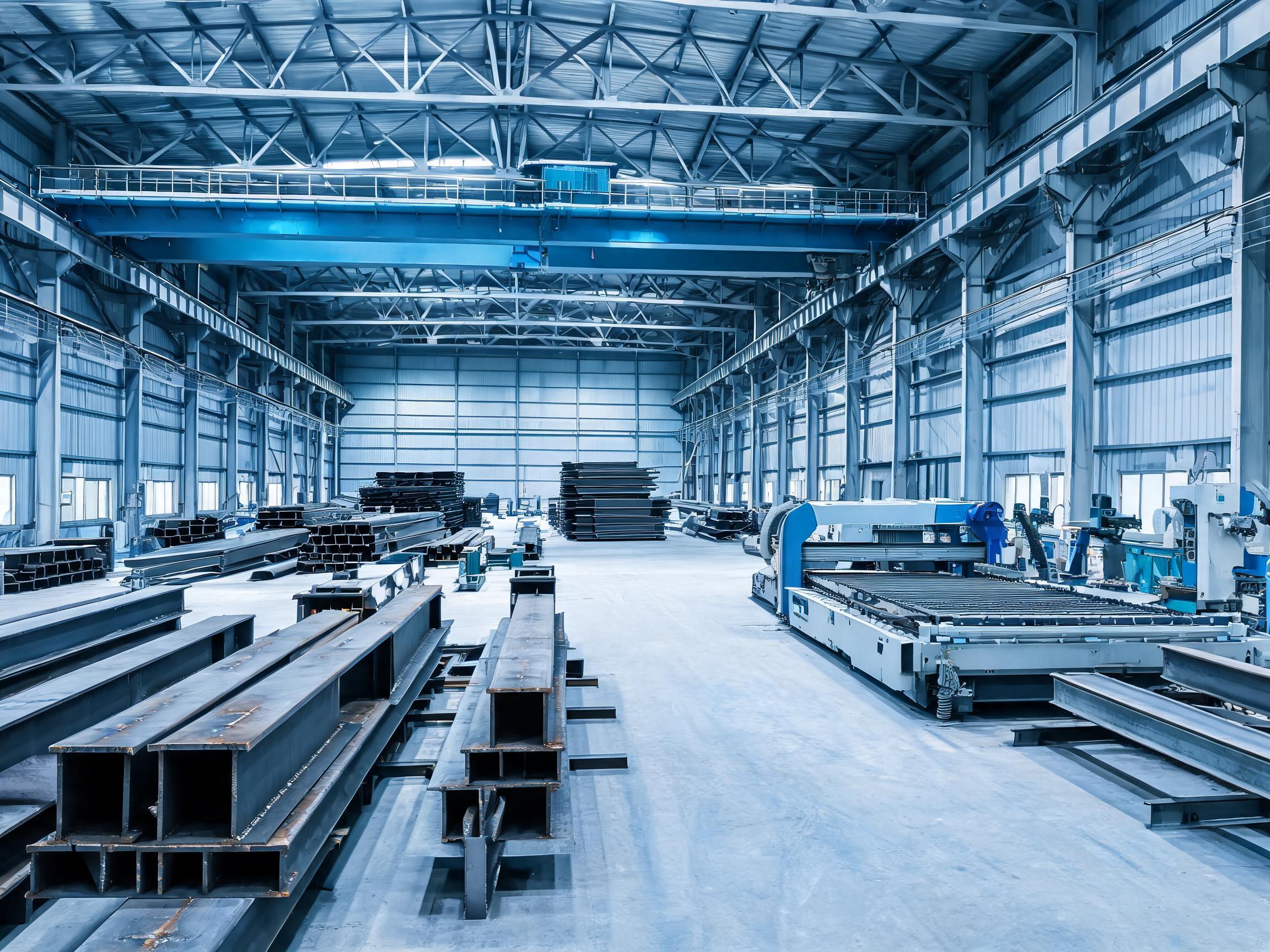
The PEB approach shifts the skilled work from the site to the factory. Because components are pre-cut and pre-drilled to ±2mm tolerance on CNC plasma and automated SAW lines, a standard crew of 8-12 workers can erect a 1,500 m² building in 10-15 days using standard equipment, with no site welding teams required. This is why PEB projects typically complete 30-50% faster than conventional construction of the same footprint. The factory controls the quality of every cut, weld, and bolt hole, so the on-site work is assembly rather than fabrication.
The cost structure also differs. A pre engineered steel building is priced as a complete engineered package, including structural calculations, shop drawings, and documentation, rather than as raw steel tonnage plus separate engineering fees. This makes the budget predictable and auditable, which matters for procurement teams that must justify every line item. The trade-off is that the design must be finalized before fabrication begins, so changes after the shop drawings are approved carry a cost.
Primary Steel Grades and Frame Design for PEB Systems
PEB frames are built from welded H-section steel in Q345B/Q355B for primary columns and rafters, with Q235B for secondary members such as purlins, girts, and bracing. For projects governed by other codes, ASTM A572 Gr.50 and A36 equivalents are available, and Q345qC/Q370qC bridge steel covers special structures. The engineering team sizes members against the governing code for your site, whether GB 50009/50017, AASHTO LRFD, Eurocode EN 1991/1993, or BS 5400, and returns stamped calculations before production.
The choice of steel grade is not cosmetic. Q355B offers higher yield strength than Q345B, which can reduce member sizes and tonnage for heavily loaded frames, while Q235B is economical for lightly loaded secondary members. The engineering team optimizes the frame against the actual loads, spans, and clearances rather than applying a generic envelope, so you do not pay for steel that carries no load. Column base plates, stiffeners, and connection plates are CNC plasma cut to ±1mm, and bolt holes are drilled on the Japanese AMADA line to ±2mm positioning, which is what makes bolted erection possible without reaming or gas cutting on site.
Connection design is where engineering depth shows. Every bolted connection is designed to transfer the calculated forces, with the bolt size, number, and arrangement specified on the shop drawings. The base plate transfers the column load into the foundation through the anchor bolts, and its thickness and stiffening are designed to prevent local bending. Splice plates connect long members at engineered locations, which is also where container engineering comes in: members that are too long for a 40ft container are spliced at a designed joint rather than cut on site.
Clear Span, Height, and Column Grid Selection
The frame geometry of a pre engineered steel building is dictated by its use. Portal frames deliver clear spans of 15-36m, covering most single-bay halls. Multi-bay layouts extend width in 18-24m bays with intermediate columns where the process allows. Eave height is set by the tallest equipment, the crane hook height, and the clearance needed for overhead services. The column grid is chosen to keep equipment, aisles, and future re-layout flexible without wasting steel on over-long spans.
Every meter of unnecessary height adds cladding area and heating volume for the life of the building. The engineering team sizes the frame against your actual equipment list and clearances rather than a generic envelope. A common mistake is specifying a taller building than the process needs, which inflates both steel tonnage and long-term energy costs. The correct approach is to model the tallest piece of equipment, the crane hook height, the overhead service clearance, and the ventilation requirement together, then set the eave height to the governing dimension plus a small allowance.
The column grid is equally important. A grid that is too wide wastes steel on long-span beams that carry no load; a grid that is too narrow interrupts the process layout with columns where equipment needs to sit. The engineering team balances the grid against the process flow, the crane span, and the mezzanine support, so the building works for the operation rather than the operation working around the building. For a facility that may be re-laid out in the future, a slightly wider grid with a modest steel premium buys flexibility that is far cheaper than a structural retrofit later.
Crane Runways and Overhead Material Handling
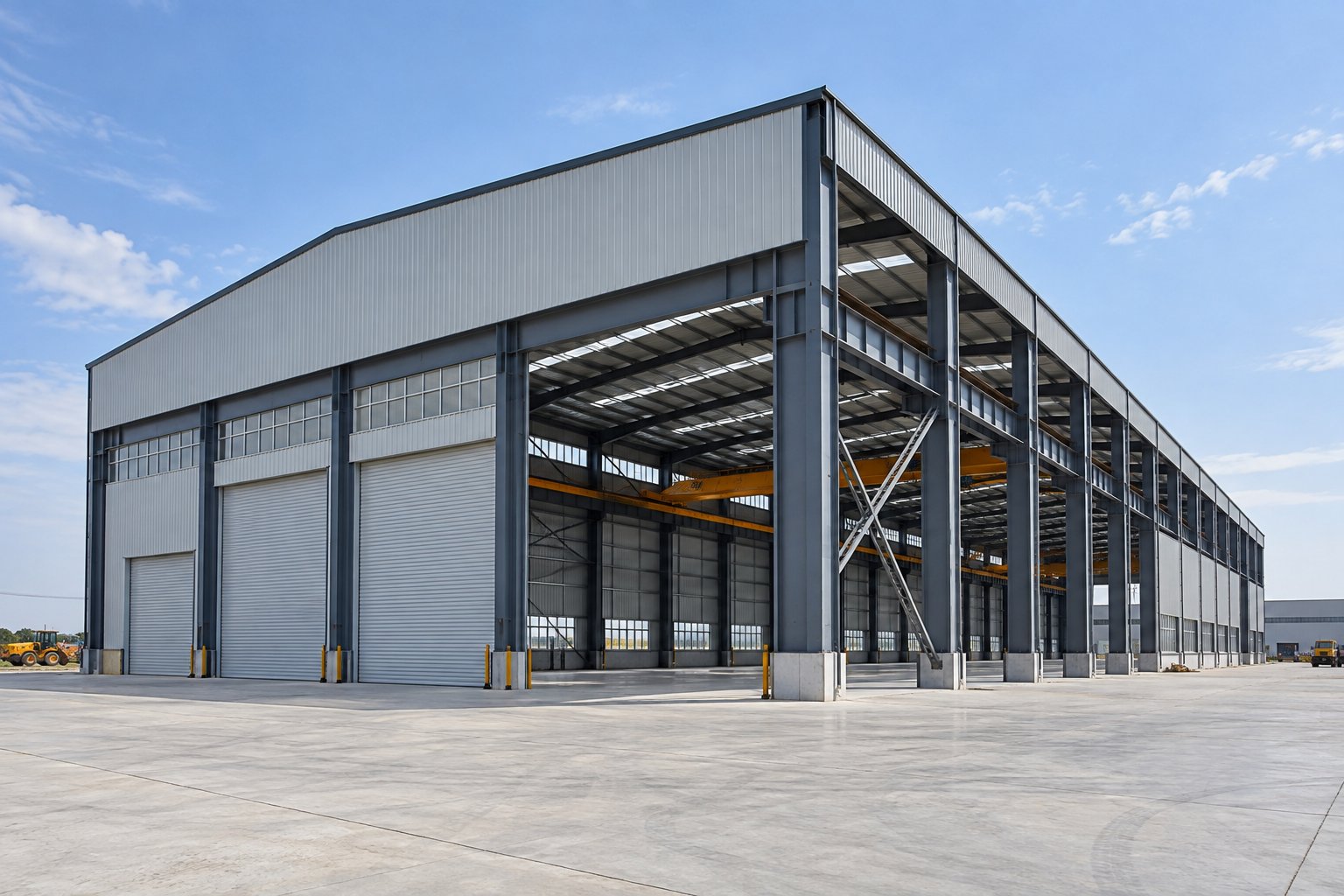
Many pre engineered steel buildings exist to carry a crane. Crane runway beams are engineered into the frame as a dedicated load path, sized for the crane capacity, span, and duty cycle. Jidian builds crane-ready structures for 5-32t cranes, with runway beams, column brackets, and bracing designed together so the crane load does not distort the main frame. Runway beam design accounts for wheel loads, fatigue, and lateral forces from crane travel; column brackets are welded and stiffened to transfer runway reactions into the column without local buckling; and longitudinal bracing carries crane braking forces back to the foundations.
Specify the crane make, capacity, span, and lifting height during inquiry so the runway and frame are engineered together. Retrofitting a crane runway into a frame not designed for it is one of the most expensive changes a building can undergo, because it requires adding brackets, strengthening columns, and reworking bracing after the frame is already erected. If you anticipate a heavier crane in the future, the frame can be designed now for that capacity at a modest incremental cost, avoiding a far more expensive retrofit later.
The crane duty cycle also matters. A crane that runs continuously in a heavy fabrication shop imposes far more fatigue on the runway than a crane used occasionally in a light assembly bay. The engineering team sizes the runway beams and their connections for the actual duty, so the building does not develop fatigue cracks at the runway-to-column connections over years of heavy use. This is the kind of detail that a supplier who only sells standard buildings overlooks, and it is why specifying the crane duty honestly during inquiry is essential.
Mezzanine Floors and Vertical Space Utilization
Pre engineered buildings increasingly need vertical space. Mezzanine floors add usable area within the same footprint, carrying offices, storage, or secondary process lines above the main floor. Jidian engineers mezzanines into the frame with composite floor decks and live loads up to 5 kN/m², supported on columns that share the main grid or on dedicated mezzanine columns. The live load you specify depends on use: offices need 2.5-3 kN/m², storage and racking need around 5 kN/m², and process platforms carrying equipment may need 5-7.5 kN/m² or more.
Getting the live load right at design stage prevents both an under-designed floor that cannot carry its intended load and an over-designed floor that wastes steel. The mezzanine also affects the fire strategy, because an occupied upper level changes the compartmentation and escape routes, so it must be part of the structural and fire engineering from the start. Stair towers, edge protection, and handrails are coordinated into the structural model so the mezzanine is a designed part of the building rather than a bolted-on afterthought.
Enclosure Systems and Climate Control
The frame is the skeleton; the envelope is what makes it a working building. Pre engineered enclosures use insulated sandwich panels (PU/EPS 50-100mm, thermal conductivity 0.022-0.038 W/m·K) for roof and walls, with rooflight panels cutting daytime lighting energy by 30-50% in production halls. Cladding is chosen for the environment: hot-dip galvanized primary steel at ≥275g/m² per ISO 1461 for humid or coastal sites, painted systems for dry inland locations, and thermal spray zinc for C4/C5 marine exposure. Jidian's 1,000,000 m² annual enclosure output means roof and wall panels are produced to match the frame.
The enclosure is where many buildings either save or waste money over their life. Insulated panels reduce heating and cooling load, rooflights reduce lighting energy, and the right corrosion protection avoids a repainting cycle every few years. The choice between galvanized and painted steel is a life-cycle decision: galvanizing costs more upfront but protects for 20+ years without maintenance, while paint systems need repainting every 15-20 years in dry climates and far more often in humid or corrosive environments.
Foundation Interface and Site Preparation
Jidian supplies the engineered superstructure; your local contractor builds foundations and floor from the drawings provided. The package includes column base reactions, anchor bolt layouts, and a foundation load schedule sized for actual soil conditions after your geotechnical report. Steel frames run roughly 60% lighter than concrete equivalents, cutting foundation concrete by about 25-40%, which matters on sites with poor soil or high groundwater.
The foundation interface is a common source of confusion in international projects. Jidian provides column base reactions, anchor bolt layouts, and load schedules in a format your local engineer can use directly, so the foundation is designed to carry the actual frame rather than a guess. The floor slab, which carries process loads, forklifts, and racking, is specified with correct thickness, reinforcement, and joint layout for your storage density and equipment.
Quality Control Documentation for Permits and Insurance
Procurement lives on documentation. Every Jidian shipment includes mill certificates, weld maps, UT/RT/MT NDT reports, coating thickness records, structural calculations, and assembly drawings. Welding procedures are qualified to ISO 15614-1, welders certified to ISO 9606, and 100% of full-penetration butt welds undergo ultrasonic testing per GB/T 11345. The Italian Welding Procedure Qualification Certificate enables CE-marked components per EN 1090 for European projects.
Quality control in steel fabrication is about verifiable evidence, not promises. A weld map lists every joint with its inspection status, so a third-party inspector can verify what was actually tested. Mill certificates document the chemical composition and mechanical properties of the steel. Coating thickness records prove the galvanizing or paint was applied to specification. When a supplier produces this documentation for every shipment, it demonstrates a quality system that protects your project from hidden defects that surface years later.
Logistics and Container Engineering from Xiamen
Engineering runs 5-10 working days free of charge; fabrication 25-30 days for a standard 1,500 m² building, with weekly photo updates; shipping from Xiamen runs 7-14 days to Southeast Asia, 18-28 days to the Middle East and Australia/New Zealand, 25-45 days to Africa, and 30-40 days to Latin America's west coast. A standard 1,500 m² building occupies 4-6 containers, with components bundled in erection sequence and hardware in labeled iron boxes keyed to the drawings.
Logistics are engineered into the design, not left to chance. Component dimensions are checked against 40ft container envelopes (12m × 2.35m × 2.39m), so long members either fit or are spliced at engineered locations. This container engineering is what makes the building shippable at all, and it is a skill that separates experienced exporters from suppliers who discover the problem at the port. The container loading plan is provided with the quotation so your customs broker can pre-clear the shipment.
Erection and Commissioning
Bolted design changes what erection support you need. Components arrive pre-cut and pre-drilled to ±2mm, so a standard crew of 8-12 workers can erect a 1,500 m² building in 10-15 days using standard equipment, with no site welding teams required. Jidian supports this with assembly drawings showing every piece mark, bolt specification, and connection sequence, plus connection videos for critical joints. For structures above 2,000 m², or projects with heavy cranes and complex bracing, Jidian dispatches a qualified engineer to supervise erection.
Erection is where factory quality becomes visible on site. Because every component is pre-cut and pre-drilled, the frame bolts together without reaming or gas cutting, which is what allows a standard crew to erect the building in days rather than weeks. The assembly drawings show the erection sequence, so the crew knows which members go up first and how the bracing is installed to keep the frame stable during construction. Every project receives scheduled remote support so questions are answered before they become delays.
Payment Terms and Trade Assurance
Jidian offers flexible trade terms to suit different procurement frameworks. FOB Xiamen, CIF destination port, or DDP door delivery are all available. Payment is by T/T (30% deposit, 70% before shipment) or L/C at sight, and Alibaba Trade Assurance is available for buyers who want platform-managed protection. The 30% deposit reserves your fabrication slot in the production schedule; the 70% balance before shipment releases the cargo after you receive the packing list and photos of the completed fabrication.
For government projects or large EPC contracts, L/C at sight provides bank-level security for both parties. The letter of credit can be structured to release payment against shipping documents, including the mill test certificates, NDT reports, and packing list. Jidian's experience with international banking procedures means the L/C documentation is prepared to match your bank's requirements, avoiding the delays that occur when a supplier is unfamiliar with international trade finance.
Cost Comparison: PEB versus Conventional Construction
The cost advantage of a pre engineered steel building is not just in the steel price; it is in the total installed cost. Because the structure is engineered and fabricated in the factory, the on-site labor is reduced to assembly, which cuts erection time by 30-50%. The lighter steel frame reduces foundation concrete by about 25-40%, which matters on sites with poor soil or high groundwater. The predictable, auditable pricing of a complete engineered package makes the budget easier to control than a conventional project with separate engineering, material, and labor line items.
When comparing costs, look at the installed cost per square meter, not just the steel tonnage price. A supplier that quotes a low steel price but charges separately for engineering, drawings, and documentation may end up more expensive than a manufacturer that includes these in a complete package. Ask for a breakdown of the engineered package so you can compare like for like. The life-cycle cost also matters: insulated panels and rooflights reduce energy use, and the right corrosion protection avoids a repainting cycle, so a slightly higher upfront cost can pay back over the building's life.
Design-Build Workflow and Project Management
A pre engineered steel building project follows a clear workflow. It starts with the brief, where you provide the building type, dimensions, crane and process requirements, site data, and design code. Jidian's engineering team returns 3D models and stamped calculations in 5-10 working days, free of charge. Once the design is approved, fabrication runs 25-30 days with weekly photo updates, then the components are shipped and erected on site. This design-build workflow keeps the project on a predictable schedule because the engineering, fabrication, and logistics are managed by one accountable manufacturer.
Project management is built into the package. The production schedule is protected by the factory's parallel capacity, so your fabrication slot is reserved against the plan. Weekly photo updates let your team track progress against the shipping window. The container loading plan is provided with the quotation so your customs broker can pre-clear the shipment. This end-to-end coordination is what separates a manufacturer that manages the whole project from a middleman that only sells components and leaves the coordination to you.
Third-Party Inspection and Independent Verification
Independent verification is the strongest form of quality assurance for a pre engineered steel building. Jidian's products obtain ISO9001, CE, SGS, and BV certificates, and the company has its own inspection team that controls raw material quality, ultrasonic inspection of welds, and derusting grade detection. For projects that require third-party inspection, Jidian can arrange SGS or BV inspection before shipment, so an independent inspector verifies the fabrication against the specification.
Ask the supplier whether they can arrange third-party inspection and what the inspection covers. A manufacturer that welcomes independent inspection is confident in its quality; one that resists it may have something to hide. The inspection typically covers material certificates, weld quality, dimensions, and coating thickness. When the third-party report comes back clean, you have independent evidence that the building meets the specification, which protects your project and your reputation.
Six Questions to Ask Any PEB Supplier
Six questions separate a manufacturer from a middleman. First, ask for stamped calculations for a comparable span. Second, ask how the crane runway is engineered. Third, ask for the fabrication tolerance. Fourth, ask what welding evidence ships. Fifth, ask how the price is broken down. Sixth, ask for the documentation dossier before paying. When the answers come back with documents rather than adjectives, the building is on its way to standing square, level, and ready for the process it was designed to house.
FAQ
Q: What clear span can a pre engineered steel building achieve?
A: Portal frames reach 36m clear span; multi-bay layouts extend width in 18-24m bays with intermediate columns where the process allows.
Q: Can the frame carry an overhead crane?
A: Yes. Jidian builds crane-ready structures for 5-32t cranes, with runway beams, brackets, and bracing engineered together.
Q: What steel grades are used?
A: Q345B/Q355B for primary members, Q235B for secondary, with ASTM A572 Gr.50/A36 equivalents available.
Q: Can a mezzanine be added?
A: Yes. Mezzanines are engineered into the frame with composite decks and live loads up to 5 kN/m².
Q: What design codes apply?
A: GB 50009/50017, AASHTO LRFD, Eurocode EN 1991/1993, or BS 5400 depending on your location, with stamped calculations provided free.
Q: How long does fabrication take?
A: 25-30 days for a standard 1,500 m² building, with weekly photo updates and a reserved production slot.
Q: Who builds the foundation?
A: Your local contractor, using the anchor bolt layouts, base reactions, and load schedule supplied free with the engineering package.
Q: What documentation ships with the building?
A: Mill certificates, weld maps, UT/RT/MT NDT reports, coating records, stamped calculations, and shop and assembly drawings.
Q: Can our own crew erect the building?
A: Yes, bolted ±2mm components assemble with standard crews and a mobile crane using supplied drawings and videos.
Q: What about fire protection?
A: Fire-rated walls, protected columns, and compartmentation are coordinated into the design, with intumescent or board protection where the code requires.